
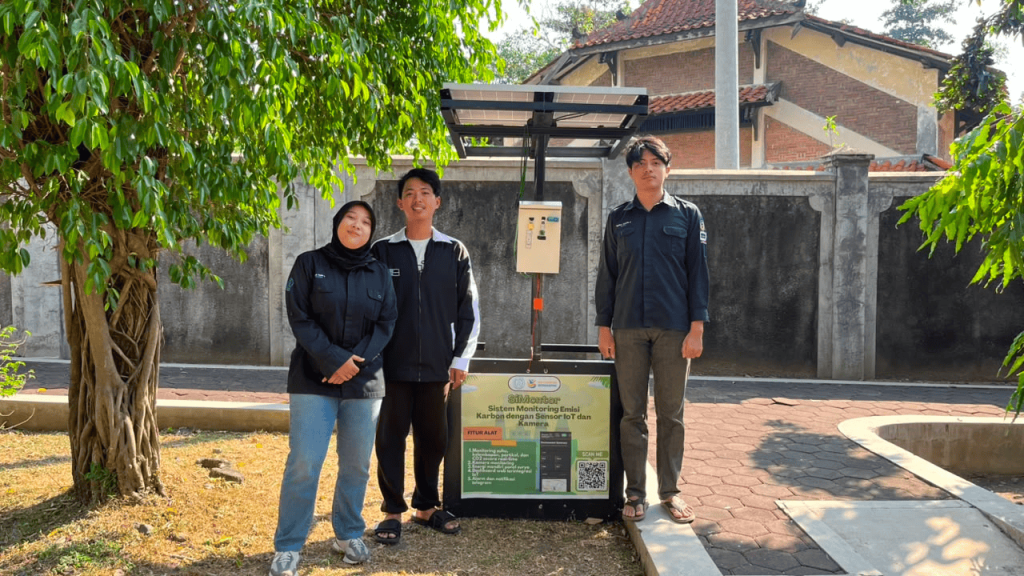
SURAKARTA — A team of Electrical Engineering students from Sebelas Maret University (UNS) successfully designed and developed a green technology innovation in the form of an Internet of Things (IoT) Sensor and Camera-based Carbon Emission Monitoring System on the UNS campus. This innovation serves as a solution-oriented and responsive step in mapping air pollution levels and supporting the campus’s commitment to creating a sustainable and emission-free Green Campus ecosystem.
Through the integration of gas sensor technology and image processing, this system is designed to accurately detect and calculate the carbon output of every motor vehicle passing through the monitoring area. The emission data captured by the sensor devices is then sent directly to the central server, allowing the fluctuation graphs of air quality to be monitored in real-time by the academic community and campus management through a digital dashboard.
This advanced system utilizes a combination of the Raspberry Pi 4 microcomputer as the main processing unit and a gas sensor module responsive to carbon compounds. The supporting camera components are integrated with artificial intelligence algorithms to classify the types of vehicles passing by, ranging from two-wheeled to four-wheeled. The density of vehicle traffic is synchronized with the detected spikes in emission levels, resulting in a comprehensive analysis of the transportation sector’s contribution to carbon emissions in the university area.
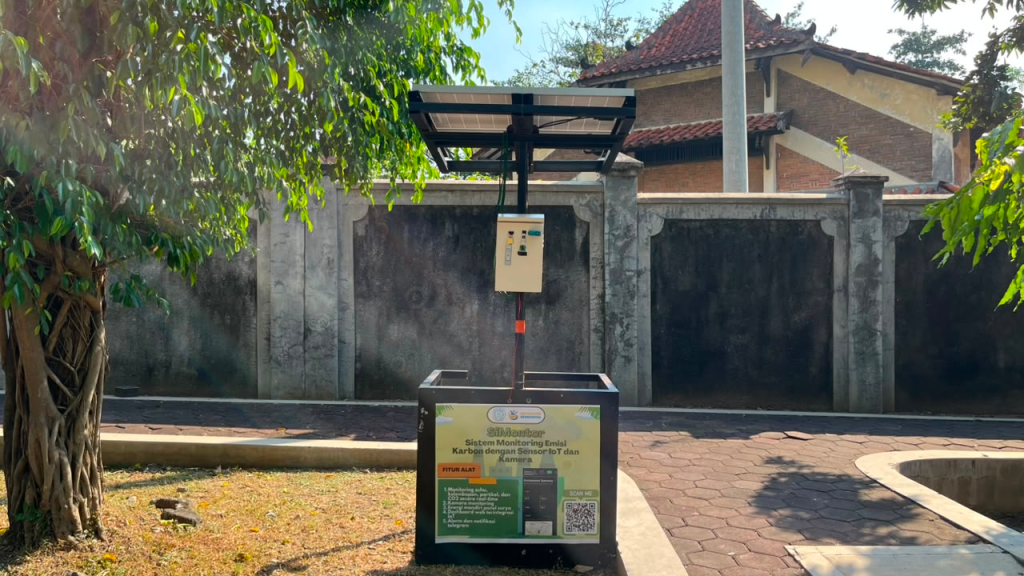
The real-time monitoring process provides significant benefits for environmental management and policy-making in the campus area. With data continuously updated every second, the campus authorities can identify crucial points with the highest accumulation of emissions and determine peak vehicle times. This step is expected to facilitate the implementation of environmental impact mitigation strategies, such as internal traffic engineering, the expansion of green open spaces, and the restriction of conventional vehicles in certain areas.
The development of this innovative project is spearheaded by the solid collaboration of five Electrical Engineering students from UNS, namely Syalo Borne Satria Aditya as the main system developer, along with his team members, Nada Rania Syahputri, Muhammad Abdurrahman, Dwiki Santiko, and Norbert Artorius Ekagunadharma. The hard work of this student team is under the direct guidance and direction of the expert lecturer in Electrical Engineering at UNS, Agus Ramelan, S.Pd., M.T.
The monitoring system developed by our students is a concrete implementation of smart-scale appropriate technology to address the current global environmental issues. Not only focusing on data visualization, the integration of IoT and cameras provides full transparency regarding motor vehicle emissions in real-time. Through accurate emission mapping, it is hoped that more measurable and data-driven green campus policies will be created,” explained Agus Ramelan, S.Pd., M.T., as the supervising lecturer.
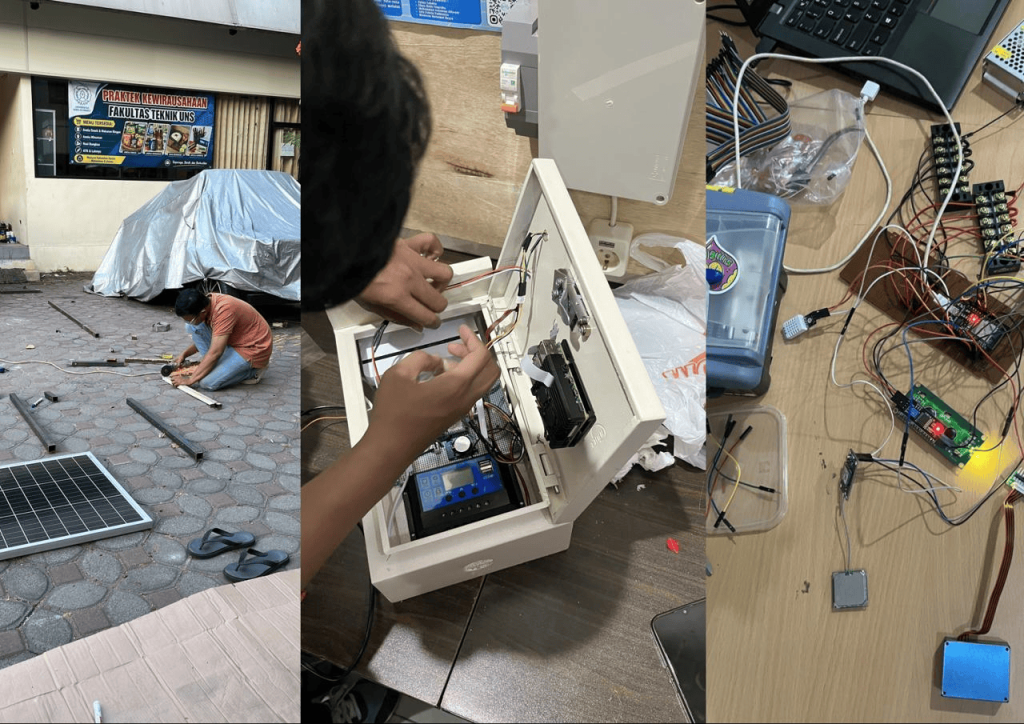
After going through a series of system design stages, sensor calibration, and functionality testing at several entry gates and main routes of the UNS campus, this system has proven to be stable and capable of sending air quality data visualizations without significant technical obstacles. The periodic data can be accessed by the public in the future as educational material for students to raise collective awareness about the importance of reducing daily carbon footprints.
In the future, Syalo Borne Satria Aditya and the team hope that the innovation of the Carbon Emission Monitoring System can be expanded beyond the campus area, such as the urban areas of Surakarta or its surrounding industrial zones, which have very high vehicle mobility levels. This integrative development step is expected to continue supporting the achievement of the Sustainable Development Goals (SDGs), particularly SDG 11 related to Sustainable Cities and Communities, and SDG 13 regarding Climate Action in Indonesia.