
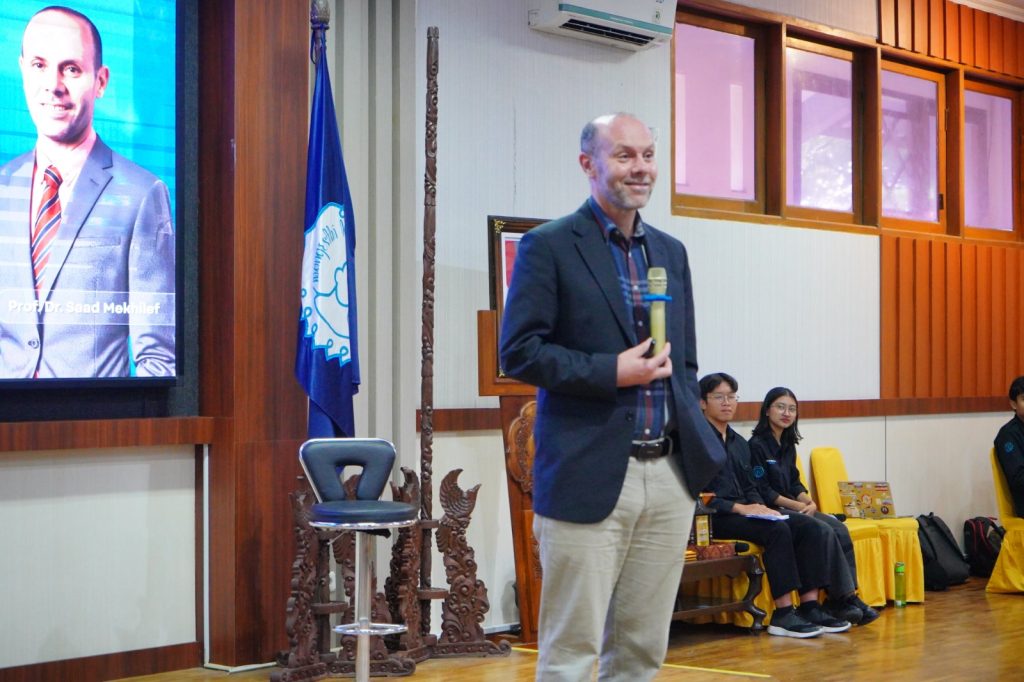
The Electrical Engineering Study Program, Faculty of Engineering, Sebelas Maret University (UNS), successfully held the 2026 Visiting Top Professor international event from April 20-24, 2026, featuring world-class expert in energy and electrical systems, Prof. Dr. Saad Mekhilef from Swinburne University of Technology, Australia.
This event was implemented as part of UNS’s internationalization strategy to address the dynamics of 21st-century higher education globalization. Internationalization is now a strategic necessity to enhance the global competitiveness of universities, in line with the target of enhancing their international reputation through global ranking indicators such as the QS World University Rankings (QS WUR) and the Times Higher Education Impact Rankings (THE Impact Rankings).
UNS’s vision is to become a world-class center for the development of science, technology, and the arts rooted in the noble values of national culture, as outlined in the UNS Strategic Plan 2024–2029. One of the strategic steps to realize this vision is to bring in leading international professors to strengthen the academic atmosphere of global standards, especially in the fields of education, research, and community service.
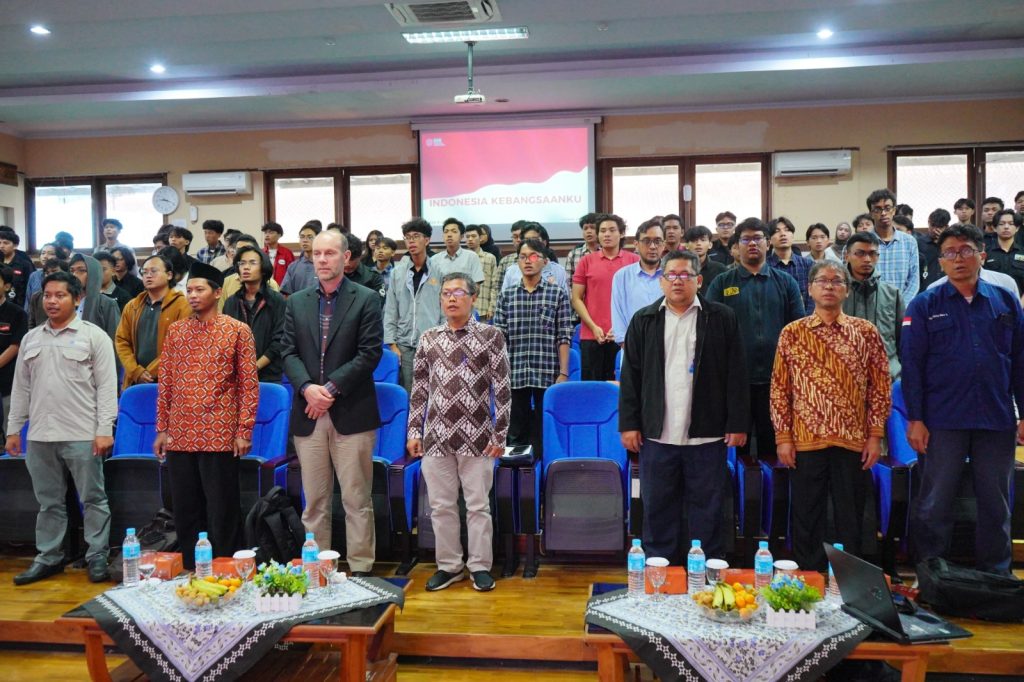
The Visiting Top Professor Program also addresses the need to enhance UNS’s international research network. Currently, UNS’s International Research Network (IRN) score in the QS WUR still requires strengthening through collaboration with reputable publications. Therefore, this activity is designed not only as a short-term academic forum but also as the beginning of a long-term research collaboration commitment, with the target of producing a Scopus-indexed joint publication within the next five years.
During the series of activities, Prof. Saad Mekhilef presented material related to the energy transition and the development of smart microgrids as solutions for a more efficient, flexible, and sustainable future energy system. This topic is highly relevant in addressing global challenges related to climate change, the need for clean energy, and the integration of renewable energy.
In addition to the Guest Lecture, this activity also included a Focus Group Discussion (FGD) and a Research Workshop, which opened up opportunities for strategic collaboration between UNS and international partners. The discussion emphasized the importance of integrating artificial intelligence (AI) in energy management and the development of data-driven smart energy systems.
Strategically, this program is also aimed at supporting UNS’s contribution to the Sustainable Development Goals (SDGs), particularly SDG 2 (Zero Hunger), SDG 6 (Clean Water and Sanitation), SDG 8 (Decent Work and Economic Growth), SDG 16 (Peace, Justice, and Strong Institutions), and SDG 17 (Partnerships for the Goals). These contributions are realized through cross-border research collaborations and SDG-themed publications, which have the potential to improve UNS’s score in the THE Impact Rankings.
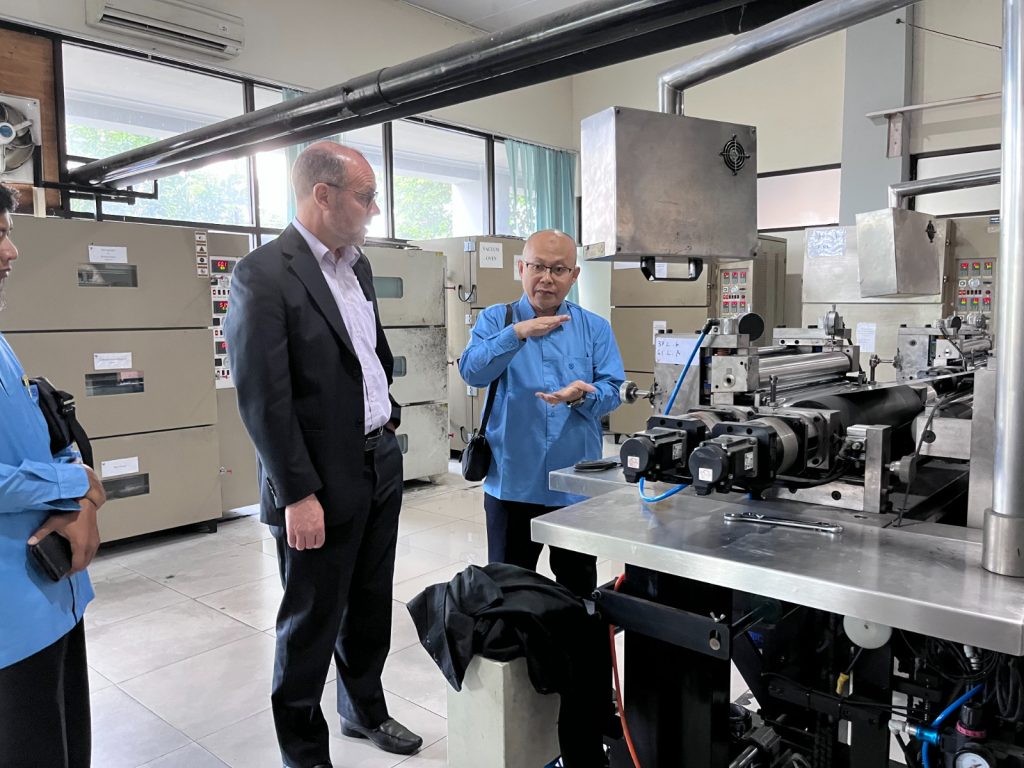
The activity concluded with a laboratory visit and an academic interaction session, further strengthening the relationship between UNS and global partners. Moving forward, UNS Electrical Engineering is committed to continuing to present international programs that have a tangible impact on strengthening the quality of education, research, and the institution’s reputation at the global level (AR).