
The BASKARA Electrical Engineering team, through the 2025 UNS Community Service Impact Learning Grant (Jarpak) program, has successfully designed and manufactured an ultrasonic-based bird repellent as a solution to the problem of bird pests in rice fields. This device was developed to address the needs of farmers in Kepyar Village, Purwantoro District, Wonogiri, who have been facing bird pest attacks, especially around harvest time.
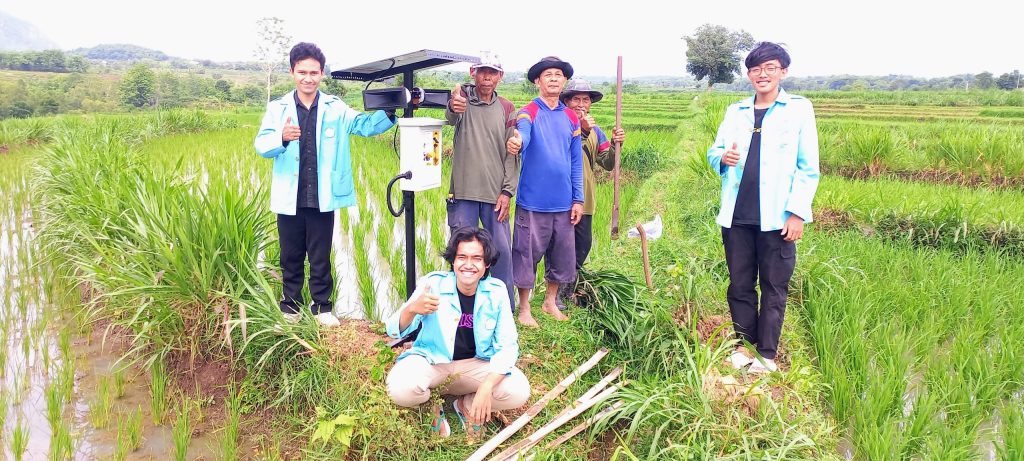
Through this grant program, the BASKARA Team conducted a series of research, frequency testing, and the development of a device that utilizes ultrasonic waves with a frequency above 20 kHz. This frequency is inaudible to humans, but it can still be detected by birds and causes discomfort, driving them away from rice fields. This device can repel birds without causing noise to users or the surrounding community.
One of the main advantages of this device lies in its power supply system. The device is equipped with a 50 Wp solar panel and a 14.8 V battery, allowing it to operate independently even when located far from the electricity grid. This allows the device to operate independently without the assistance of grid power, with the solar panel serving as the primary energy source, while the battery ensures the device remains active even in cloudy weather or low sunlight.
Furthermore, this device features flexible control. Users can set the frequency manually or automatically through a real-time time reference system so that the device operates during the hours most needed when birds are most frequented. The device is also equipped with a LoRa-based remote control that allows for remote operation with low power consumption.
The Impactful Learning Grant Program runs from September 2025 to January 2026, under the guidance of Ir. Agus Ramelan, S.Pd., M.T and also received direction from the Head of Kepyar Village, Mrs. Mei Rina Tripurnawati. The development team consists of eight UNS Electrical Engineering students from the Class of 2023, namely Tegar Bayu Segara as team leader, as well as Alfredo Galdika, Ariq Rachman Burhani, Divo Setia Presdiantoro, Faturrohman Syah Al Firdaus, Galib Yanhadi Kaeliana, Hilal Jati Samudra, and Roisa Hari Wijaya.
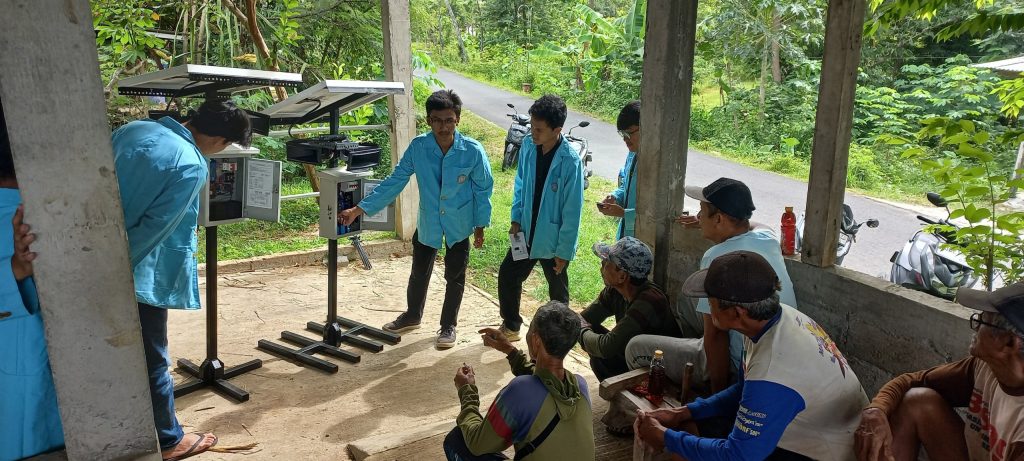
After the equipment was developed and tested to achieve optimal performance, the BASKARA Team provided training on how to use and maintain the equipment to the Kepyar Village farmer group, the primary administrator. The training covered equipment operation techniques, routine maintenance procedures, and safety standards. The team also provided intensive support during the initial implementation phase to ensure the equipment could be used independently and effectively by the farmers.
The head of the Kepyar Village Farmer Group, Mr. Pono, expressed his appreciation for the UNS students’ efforts. He hoped the equipment would perform optimally and reduce the burden on farmers, especially during the harvest season when sparrows frequently attack crops. “Hopefully, this equipment will truly help us protect our rice from bird attacks, especially near harvest,” he said.
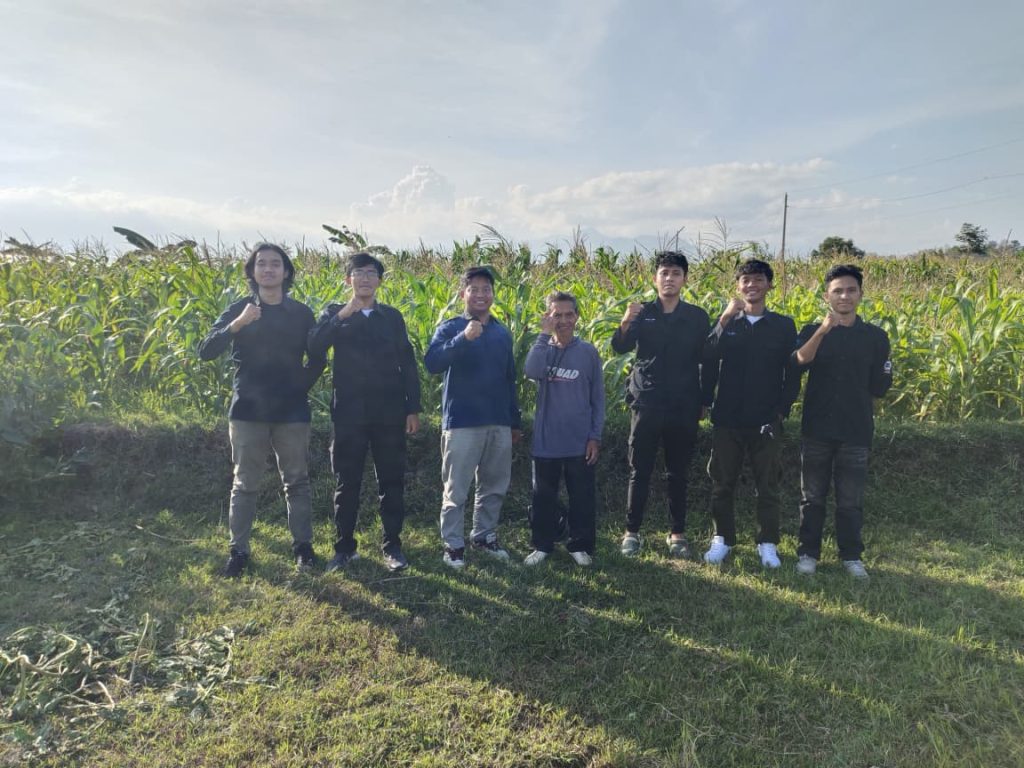
Meanwhile, Agus Ramelan, the Supervising Lecturer, stated that this activity represents a concrete contribution from students through technological innovation to help the community. “This activity is an innovation-based contribution from students to positively impact the problems faced by farmers, namely sparrow pests. It is hoped that this innovation will increase crop productivity,” he explained.
Going forward, the BASKARA Team hopes this innovation can serve as a model for other villages facing similar issues. Further development is also expected to support the achievement of the Sustainable Development Goals (SDGs), particularly in the aspect of eradicating hunger, as this technology has the potential to help increase agricultural productivity by minimizing crop losses due to pests.